1 / 3
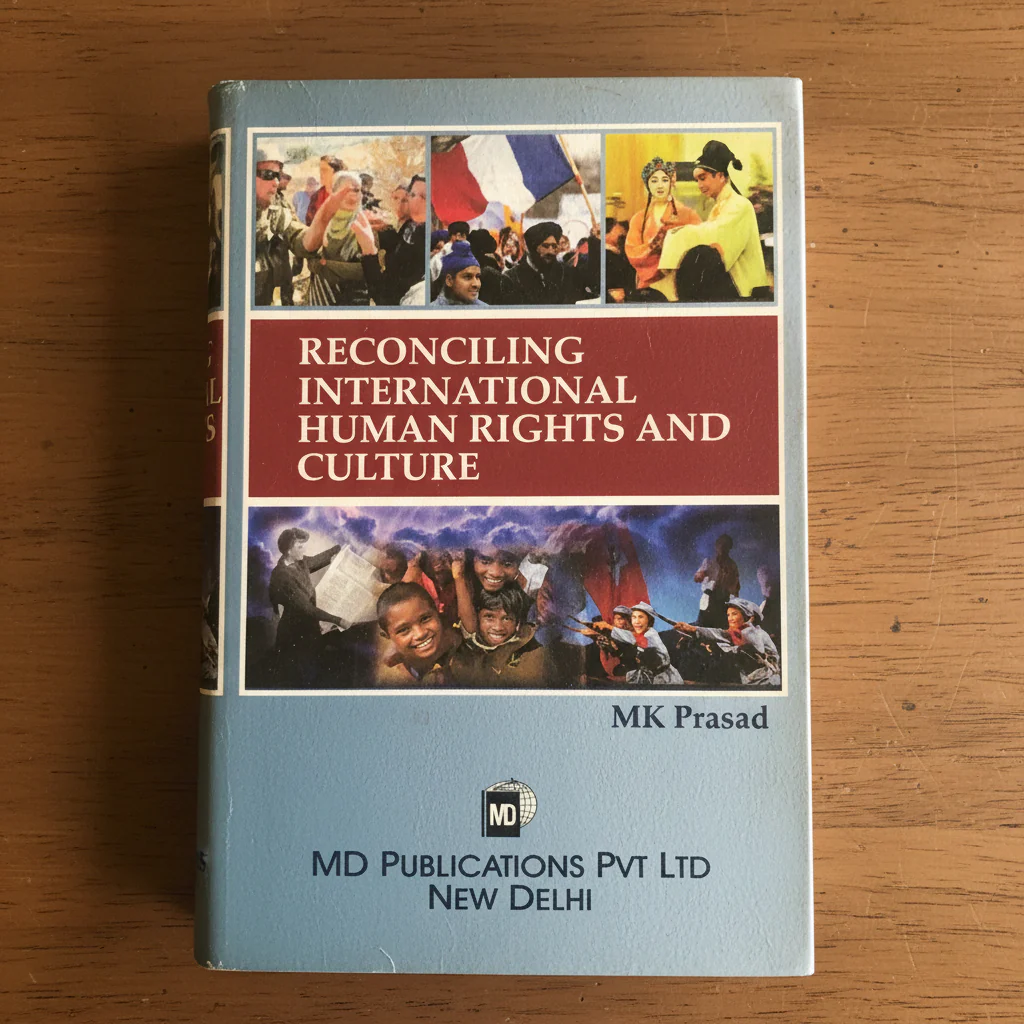
Reconciling International Human Rights and Culture
The end of the cold war has created a series of tentative attempts to define a new world order". So far, the only certainty is that the international community has entered a period of tremendous global transition that, at least for the time being, has created more social problem than solutions. The resulting confluence of peoples and cultures is an increasingly global, multicultural world brimming with tension, confusion and conflict in the process of its adjustment to pluralism. There is an understandable urge to return to old conventions, sense of one's identity. Without a sense of identity amidst the turmoil of transition, people may resort to isolationism, ethnocentricism and intolerance. Cultural relativism is the assertion that human values, far from being universal, vary a great deal according to different cultural perspectives. Some would apply this relativism to the promotion, protection, interpretation and application of human rights which could be interpreted differently within different cultural, ethnic and religious traditions. In other words, according to this view, human rights are culturally relative rather than universal."
The end of the cold war has created a series of tentative attempts to define a new world order". So far, the only certainty is that the international community has entered a period of tremendous global transition that, at least for the time being, has created more social problem than solutions. The resulting confluence of peoples and cultures is an increasingly global, multicultural world brimming with tension, confusion and conflict in the process of its adjustment to pluralism. There is an understandable urge to return to old conventions, sense of one's identity. Without a sense of identity amidst the turmoil of transition, people may resort to isolationism, ethnocentricism and intolerance. Cultural relativism is the assertion that human values, far from being universal, vary a great deal according to different cultural perspectives. Some would apply this relativism to the promotion, protection, interpretation and application of human rights which could be interpreted differently within different cultural, ethnic and religious traditions. In other words, according to this view, human rights are culturally relative rather than universal."
$1.60
Original: $5.35
-70%Reconciling International Human Rights and Culture—
$5.35
$1.60Description
The end of the cold war has created a series of tentative attempts to define a new world order". So far, the only certainty is that the international community has entered a period of tremendous global transition that, at least for the time being, has created more social problem than solutions. The resulting confluence of peoples and cultures is an increasingly global, multicultural world brimming with tension, confusion and conflict in the process of its adjustment to pluralism. There is an understandable urge to return to old conventions, sense of one's identity. Without a sense of identity amidst the turmoil of transition, people may resort to isolationism, ethnocentricism and intolerance. Cultural relativism is the assertion that human values, far from being universal, vary a great deal according to different cultural perspectives. Some would apply this relativism to the promotion, protection, interpretation and application of human rights which could be interpreted differently within different cultural, ethnic and religious traditions. In other words, according to this view, human rights are culturally relative rather than universal."